Smart Bin Placement Tips for a Small Kitchen
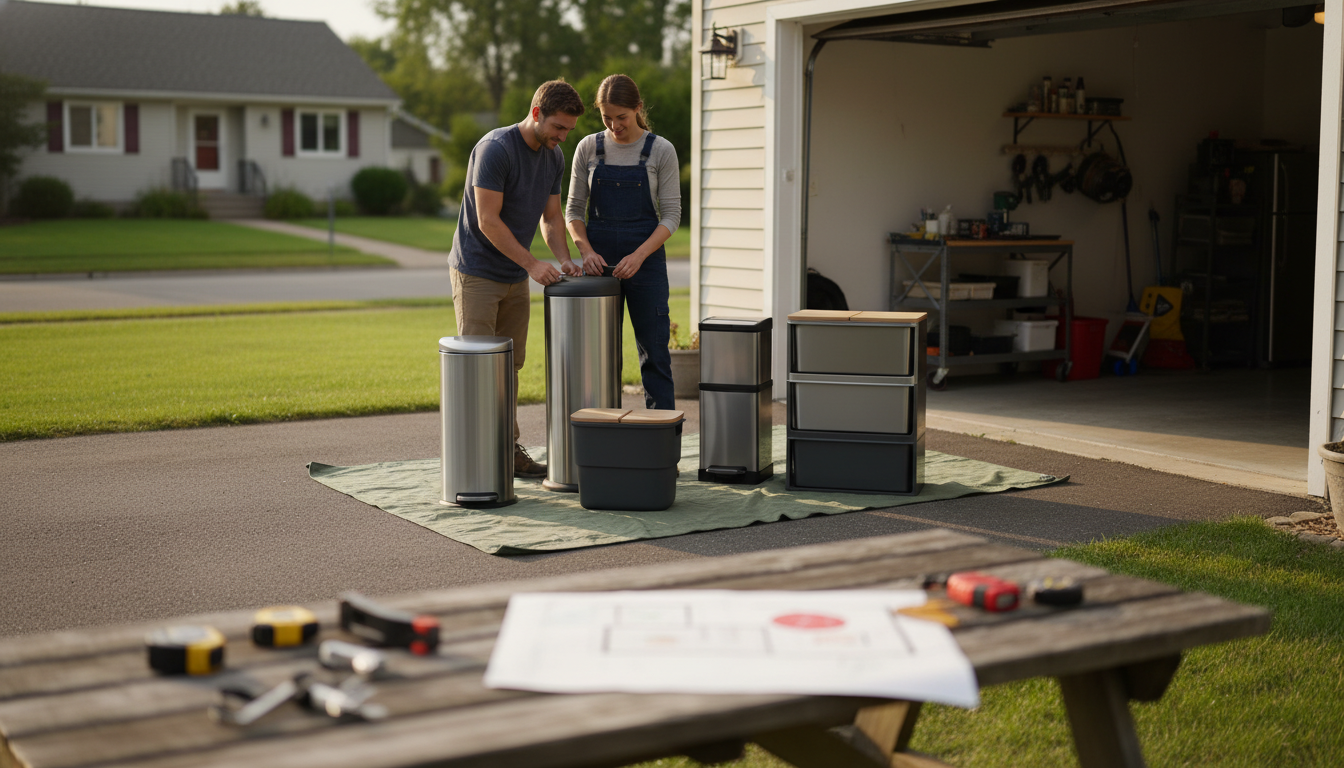
Where to put bins in a small kitchen?
In a small kitchen, the best place for bins is wherever they’re easiest to reach during cooking and cleanup—without stealing floor space. Aim for “one-step disposal”: you should be able to scrape scraps, toss packaging, and sort recycling without crossing the room or blocking a walkway.
Put the main trash bin close to your prep zone
The most practical spot is near where most food prep happens, typically between the sink and the primary counter. If floor space is tight, use a solution that lives on a cabinet door or inside a cabinet so you’re not constantly sidestepping a freestanding can.
Use the inside of cabinet doors (or under-sink) for everyday waste
Mounting a bin to an under-sink door or a lower cabinet door keeps it hidden, contained, and easy to access. This works well for peels, wrappers, and quick tosses while cooking. It also helps prevent odors from lingering in open air, especially when paired with a lid or removable liner.
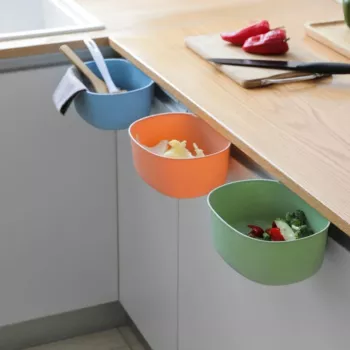
Try a hanging bin for the counter-to-sink workflow
If you prep on the counter and rinse at the sink, a small hanging bin can be placed right where scraps happen. It’s especially helpful for frequent compostables like vegetable trimmings, coffee grounds, and eggshells. For ideas and options, see this guide to hanging kitchen waste bins.
Place recycling where it won’t interrupt traffic
Recycling often doesn’t need to be as close as the main trash. A slim bin can sit at the end of a cabinet run, tucked beside the fridge, or inside a pull-out base cabinet. If you rinse containers at the sink, keeping recycling within a few steps prevents drips and clutter.
Keep a small “micro bin” where clutter starts
A tiny bin near the coffee station or by the snack area catches tea bags, pods, and wrappers before they land on the counter. When it fills, empty it into your main trash or compost.
FAQ
What size trash bin is best for a small kitchen?
A compact 5–10 gallon bin is usually enough for most small kitchens, especially if you take trash out frequently. If you cook a lot at home, consider pairing a smaller main bin with a separate small compost or recycling container.









Leave a comment