3-3-3 Rule for Dog Training: Timeline & Tips
What is the 3-3-3 rule for dog training?
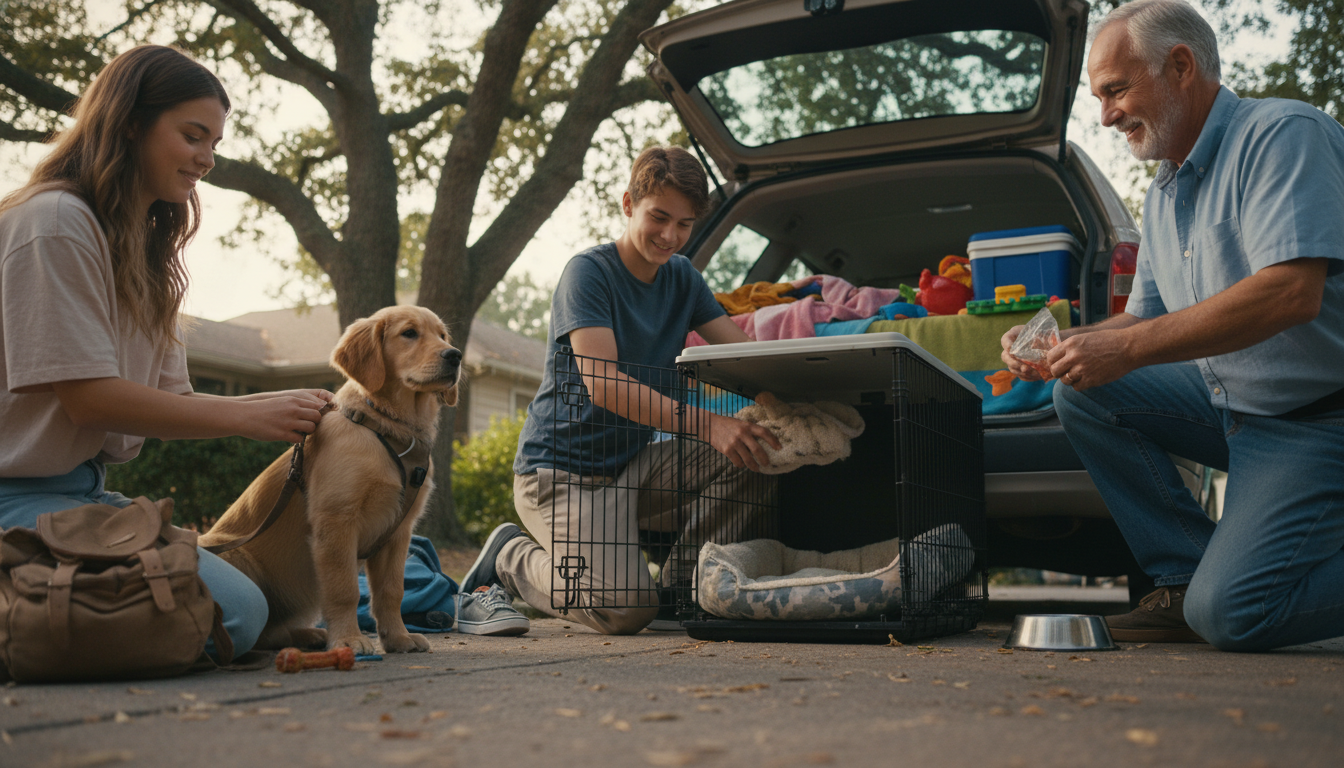
The 3-3-3 rule is a simple guideline many trainers use to describe how dogs often adjust to a new home: about 3 days to decompress, 3 weeks to start settling into a routine, and 3 months to feel truly at home. It’s not a strict timetable or a guaranteed progression, but it’s a helpful way to set realistic expectations and plan training without rushing.
Because stress can affect behavior, the 3-3-3 rule supports dog training by focusing first on comfort and predictability, then gradually increasing structure, exposure, and skills as the dog’s confidence grows.
How to use the 3-3-3 rule during training
First 3 days: decompress and build safety
Keep things calm and consistent. Prioritize a steady potty schedule, quiet rest, and gentle bonding. Training should be limited to low-pressure basics (like responding to their name, brief reward-based check-ins, and simple “touch” or “come” games indoors). Avoid overwhelming introductions, crowded outings, or too many visitors.
First 3 weeks: create routine and start foundations
Once the dog is eating, sleeping, and eliminating more predictably, begin short daily sessions for key behaviors: leash manners in low-distraction areas, “sit,” “down,” “leave it,” and rewarding calm behavior. Keep sessions to 3–5 minutes, several times a day, and reinforce house rules consistently (where to rest, what’s off-limits, when play happens).
First 3 months: build confidence and reliability
As your dog becomes more comfortable, expand training to new environments and increase distractions gradually. This is the time to strengthen recall, practice polite greetings, and work on longer duration behaviors like “stay” and settling on a mat. If reactivity, separation anxiety, or fear shows up, slow down and consider working with a certified trainer.
Common mistakes to avoid
Don’t interpret early “good behavior” as permanent; many dogs are shut down at first. Also avoid rushing socialization or expecting perfect obedience immediately. The goal is steady progress, clear boundaries, and lots of reinforcement for the behaviors you want repeated.
Learn more
For a deeper breakdown of practical training rules and how to apply them day to day, visit What is the rule for dog training?.
FAQ
How long does it take for a rescue dog to bond with you?
Many rescue dogs begin showing attachment within a few weeks, but deeper trust often builds over a few months. Consistent routines, gentle handling, and reward-based training speed up bonding while reducing stress.










Leave a comment