New Kitten Prep: What to Buy Before Bringing One Home
What do I need to buy before bringing home a new kitten?
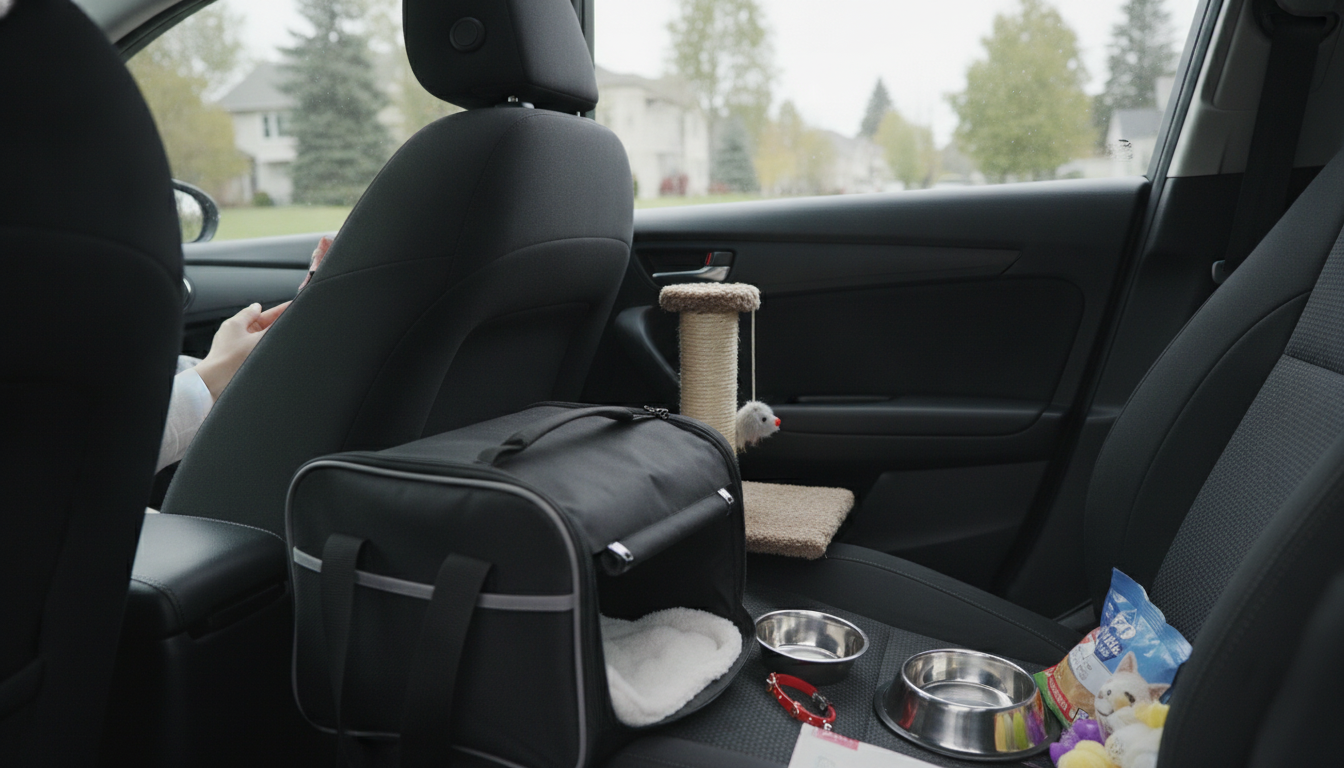
Before your kitten steps paw into your home, having the right basics ready will make the first few days calmer, safer, and a lot less messy. Focus on essentials that cover food, litter, sleep, safety, and a little enrichment—then you can add extras once you learn your kitten’s preferences.
Food and feeding supplies
Start with a kitten-specific food (wet, dry, or a mix) and confirm the brand and formula with the shelter or breeder to avoid an abrupt switch. Pick up two sturdy bowls (one for food, one for water) or a low, wide dish that won’t bump sensitive whiskers. A small supply of kitten treats is optional, but keep portions tiny.
Litter box setup
You’ll need a litter box with low sides (easy entry for small bodies), unscented clumping or non-clumping litter (many kittens do best with unscented), and a scoop. A litter mat helps trap tracking near the box. If your home has multiple levels, consider a second box so accidents are less likely.
Comfort and a safe “home base”
Have a cozy bed or soft blanket ready in a quiet area, plus a carrier for the ride home and future vet trips. A simple, washable towel or throw is useful for lining the carrier and creating a familiar scent spot.
Scratching and play
Provide at least one scratching surface (a vertical post or horizontal pad) to steer claws away from furniture. For play, grab a wand toy, a few lightweight balls, and something crinkly. Rotate toys to keep interest high and reduce overstimulation.
Health, grooming, and kitten-proofing
Pick up a kitten-safe brush, nail clippers, and enzymatic cleaner for accidents (regular cleaners often leave lingering odors). Remove or secure cords, toxic plants, dangling strings, and small chewable items. A breakaway collar is optional; many kittens do fine indoors without one.
For a more detailed checklist and setup tips, visit the complete kitten shopping guide here.
FAQ
How do I kitten-proof my home quickly?
Start by hiding cords, picking up small objects that could be swallowed, and blocking access to tight spaces behind appliances. Secure toxic plants and chemicals in cabinets, and set up one quiet room as a safe starter space with food, water, and a litter box.











Leave a comment