Do You Really Need a Car? A 4-Step Car-Free Test
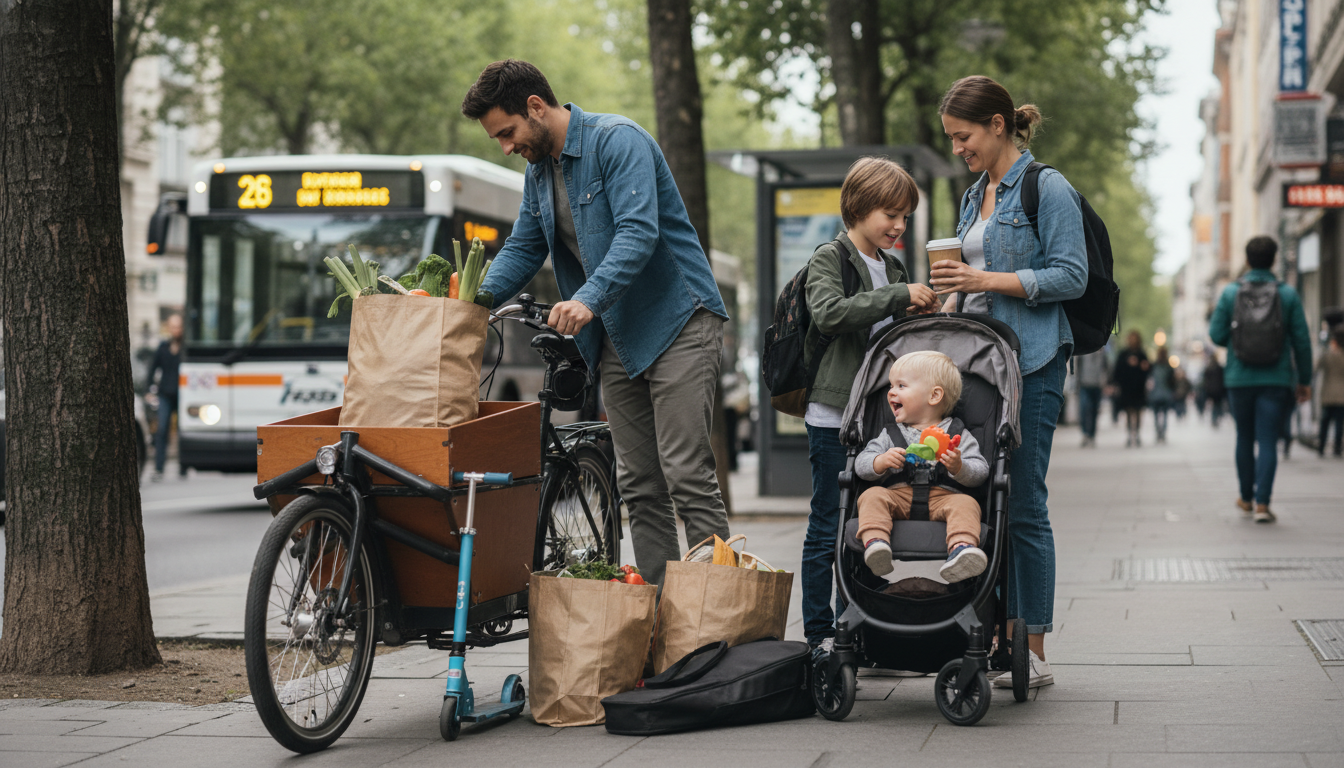
How do I know if my lifestyle actually requires a car or if I can live car-free?
The quickest way to tell is to map your real life for two typical weeks and see where a car is doing essential work versus “nice-to-have” convenience. Start by listing every trip: commuting, groceries, school drop-offs, gym, social plans, appointments, and weekend errands. Note the distance, time of day, and whether you’re carrying bulky items.
Step 1: Audit your “must-make” trips
A car is more likely a requirement if you regularly need to reach places that are hard to access by transit or bike—especially early mornings, late nights, or locations with limited service. If your commute would become unreliable or excessively long (for example, multiple transfers and long waits), that’s a strong signal you may need a vehicle or at least occasional access to one.
Step 2: Stress-test the alternatives
Try replacing car trips with realistic substitutes: walking, biking, public transit, rideshare, or carpooling. Do a couple of “practice runs” to your workplace, grocery store, and a common appointment location. If the alternative consistently works without adding major time, cost, or stress, living car-free may be practical.
Step 3: Add up your true costs (not just payments)
Many households underestimate what driving actually costs because expenses are spread out: insurance, fuel, maintenance, repairs, registration, parking, tolls, and depreciation. Compare that total to what you’d spend on transit passes, occasional rideshare, deliveries, and the rare rental. For a deeper breakdown and options beyond owning, see this guide to the true costs of owning a car and better alternatives.
Step 4: Identify your “deal-breaker” scenarios
Ask what happens if you don’t have a car for: emergencies, bad weather, caregiving needs, hauling items, or traveling outside your neighborhood. If these situations are frequent, unpredictable, or high-stakes, you may not need full-time ownership—but you might need a plan like car-sharing, rentals, or a secondhand vehicle used sparingly.
FAQ
What are the biggest hidden costs of owning a car?
Beyond the monthly payment, major costs include depreciation, insurance, maintenance and repairs, parking, registration, taxes, and interest. For many drivers, these add up to far more than fuel alone, especially in cities with paid parking and higher premiums.










Leave a comment