Using a Kreg Panel Carrier for Drywall: Safe or Risky?
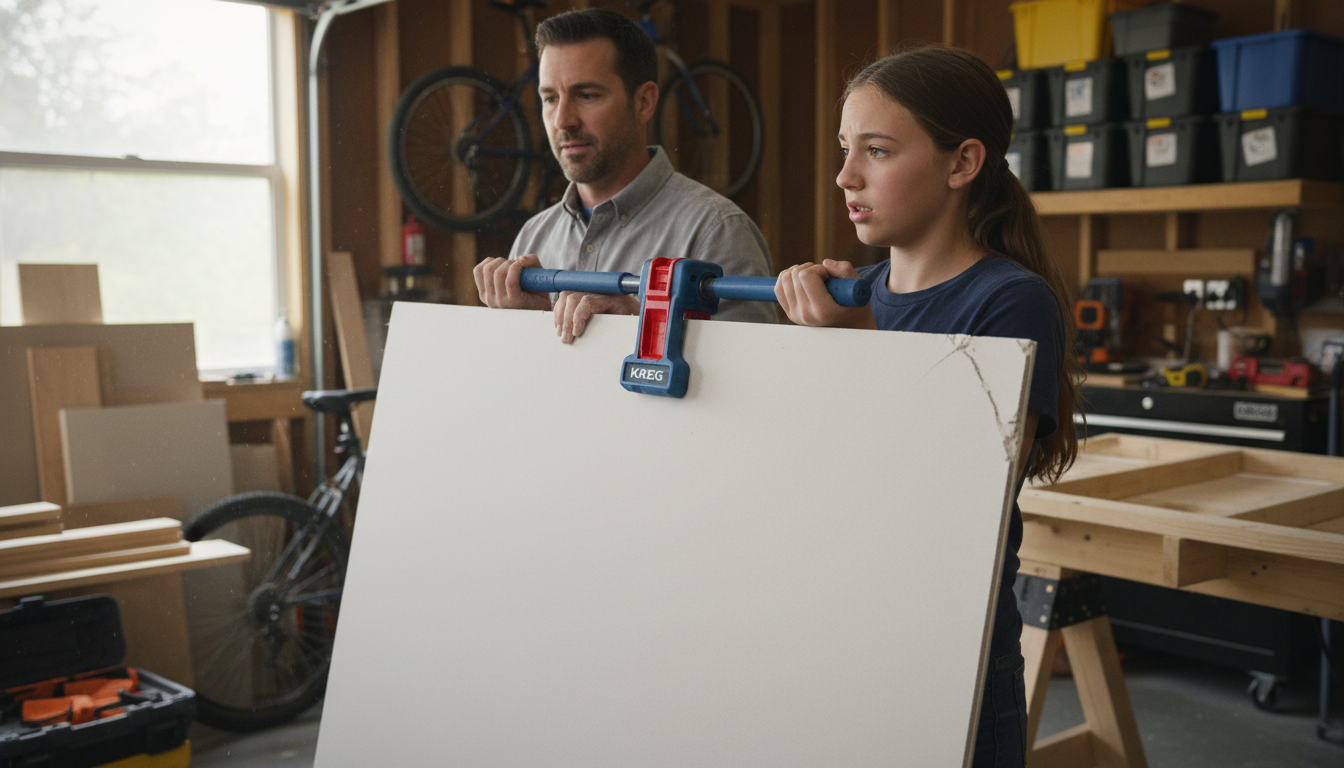
Does the Kreg panel carrier work for drywall?
Yes—Kreg’s panel carrier can work for drywall, but it’s better suited for moving full, flat sheet goods like plywood and OSB than for protecting fragile gypsum. Drywall’s paper face and crumbly edges are easy to dent or crush if the tool’s jaws clamp too tightly or if the sheet shifts while you walk. With a careful grip and a controlled lift, it can still be a helpful way to move a single sheet from the truck to the room.
When it works well
The panel carrier is most useful when the drywall is intact, dry, and being moved as a full sheet. It can reduce finger strain and give one person a more secure hold, especially in long hallways or from a garage into the house. It’s also handy when you need to carry the sheet vertically through doorways where a wide “bear hug” carry is awkward.
When it’s not the best tool
If the drywall is already nicked on the corners, has soft edges, or has been stored in humid conditions, clamping pressure can cause damage quickly. It’s also less ideal for maneuvering sheets overhead or aligning them precisely onto studs—tasks where a drywall lift, a panel hoist, or a simple T-brace often gives better control.
Tips to use a panel carrier on drywall without ruining the edges
Keep the clamp pressure as light as possible while still secure, and avoid “jerking” the sheet when lifting. Position the carrier so it bites on a stronger area (not on a crushed corner), and walk slowly so the sheet doesn’t swing. If the carrier has rubber contact points, make sure they’re clean to reduce slipping without over-tightening. For long carries, consider having a second person guide the bottom edge to prevent wall dings and corner blowouts.
More details
For a deeper breakdown of pros, limitations, and handling tips, see the full guide here: https://reliablepickspulse.shop/does-the-kreg-panel-carrier-work-for-drywall/.
FAQ
Can a panel carrier damage drywall edges?
Yes. If the jaws clamp too hard or the sheet shifts while carrying, the paper face can tear and corners can crumble. Using minimal clamping force and keeping the sheet steady helps prevent damage.









Leave a comment