New Balance 530 Sizing: Should You Go Up or Down?
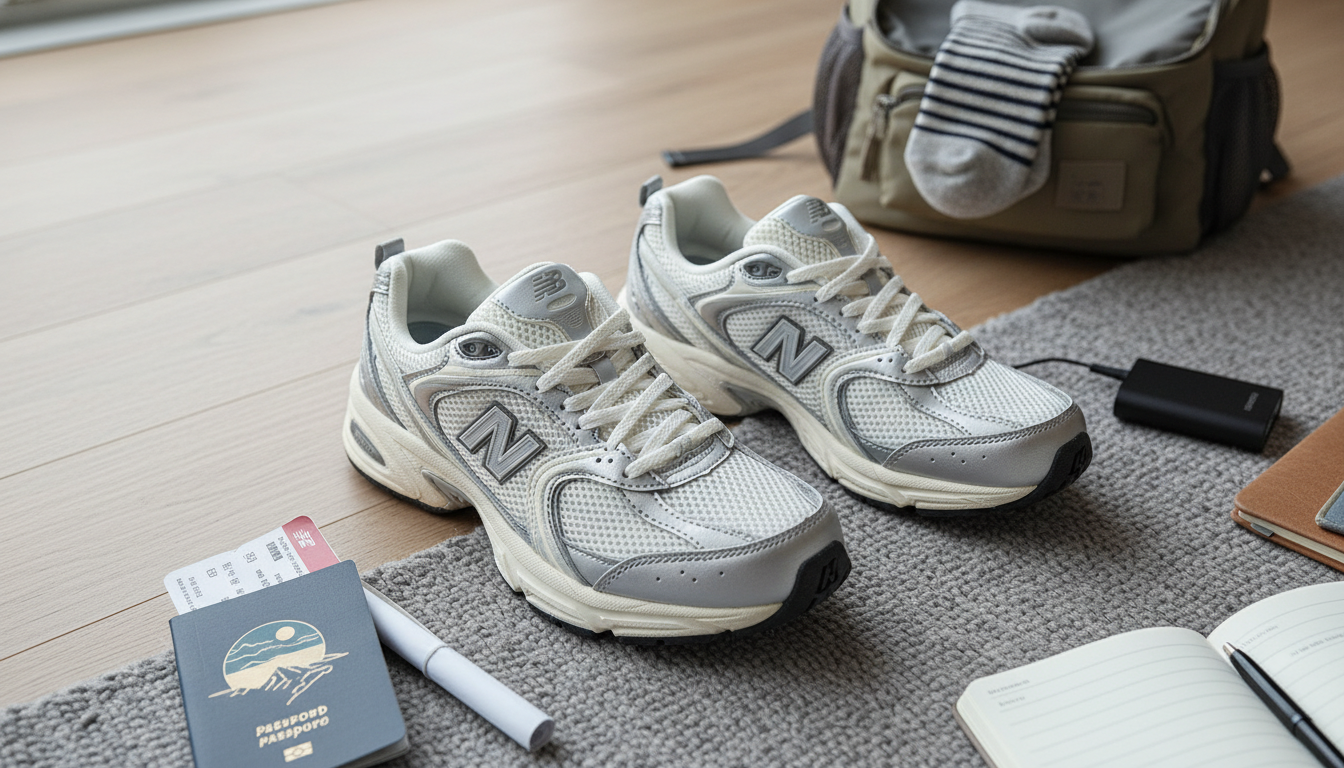
Do you size up or down with a New Balance 530?
Most people should start true to size (TTS) in the New Balance 530. The fit is generally consistent with typical sneaker sizing, with a comfortable, slightly roomy feel in the forefoot for many wearers. If the pair feels perfect in length but a touch snug across the widest part of your foot, that’s usually a width issue rather than a length issue—meaning sizing up may add unwanted extra toe room.
When to stay true to size
Stick with your usual size if you have average-width feet and typically wear the same size across most lifestyle running shoes. The 530’s upper and lacing system can help fine-tune midfoot hold, so a standard size often lands in the “secure but not tight” zone once the laces are adjusted.
When to size up
Consider going up a half size if you’re between sizes, prefer extra space in front of the toes, or plan to wear thicker socks. Sizing up can also help if you notice pressure on the top or sides of the forefoot during the first try-on, especially if you’ll be on your feet for long stretches. If you’re sizing up mainly due to width, check whether a wide option is available first—lengthening the shoe can change how the arch and flex points line up.
When to size down
Sizing down is less common, but it can make sense if you consistently find New Balance lifestyle models run long on you or you have narrow feet and experience heel slip. If you can easily slide a finger behind your heel even with the laces snug, a half size down may improve lockdown. Avoid sizing down if your toes touch the front or feel cramped when standing.
A quick fit check at home
Try them on later in the day (feet swell naturally), stand up, and make sure there’s about a thumb’s width of space in front of your longest toe. Walk around and confirm the heel feels secure without rubbing.
For more fit details and buying tips, visit the full New Balance sizing guide here.
FAQ
Are New Balance 530 good for wide feet?
They can work for some wide feet thanks to a forgiving mesh upper, but the standard width may still feel snug in the forefoot. If you regularly need wide sizing, look for a wide option or consider going up half a size only if toe room still feels acceptable.











Leave a comment