Permanent Clothes Dyeing: What Lasts and How to Set It
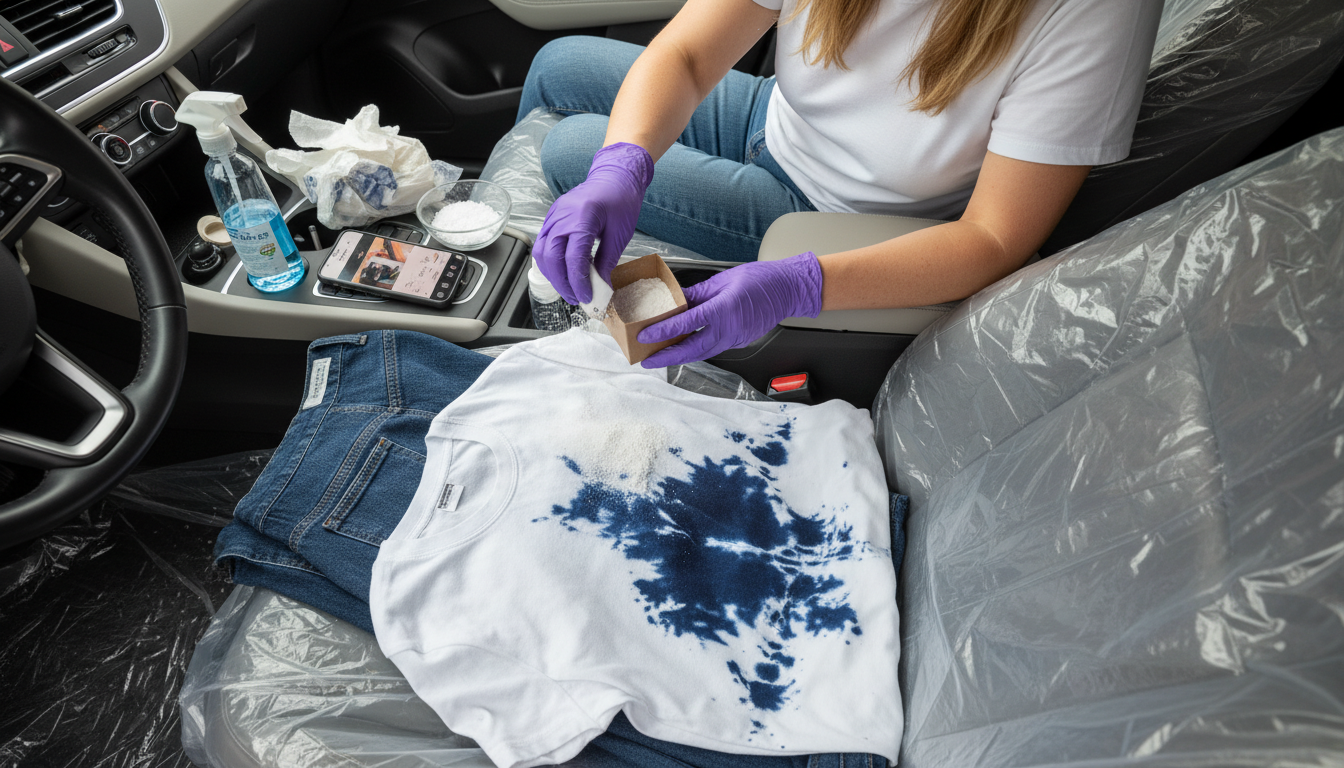
Can you permanently dye clothes?
You can dye clothes so the color lasts for years, but “permanent” depends on the fabric type, the dye you choose, and how well you set and care for the color afterward. When the dye matches the fiber (like fiber-reactive dye on cotton or acid dye on wool and silk) and it’s fixed correctly, fading is usually slow and looks more like normal wear than a sudden washout.
What “permanent” really means for fabric dye
Fabric dye becomes long-lasting when it bonds with the fiber or is locked in with heat or chemicals. Natural fibers (cotton, linen, rayon, hemp) can take dye deeply and hold it well with the right process. Protein fibers (wool, silk) also dye beautifully, but need different dyes and gentler handling. Many synthetics (especially polyester) resist most household dyes, so the color may look weaker or fade faster unless you use a dye made specifically for them.
How to get the most durable results
Start by identifying the fabric content on the care label. Pre-wash to remove softeners, stains, and finishes that block absorption. Use the correct dye type for the fiber, measure carefully, and keep the dye bath at the recommended temperature for the full time so the dye can fully penetrate.
After dyeing, rinse until the water runs mostly clear, then wash separately a few times. Heat-setting (when recommended) and using the right fixative can significantly reduce bleeding and early fading. For long-term care, wash in cold water, turn garments inside out, use a gentle detergent, and avoid overdrying or constant sun exposure.
When dye won’t stay put
If a garment is polyester-heavy, has water-repellent treatments, or blends multiple fibers, results can be uneven or less durable. Also, trying to go dramatically lighter is not dyeing—it requires color removal or bleaching, which can weaken fabric and still won’t guarantee an even “new” base color.
For dye types, fabric-specific tips, and step-by-step guidance, see the full guide here: https://reliablepickspulse.shop/can-you-permanently-dye-clothes/.
FAQ
How do you set fabric dye so it doesn’t bleed?
Rinse thoroughly, then wash separately until excess dye is gone. Use the correct setting method for the dye type (often heat and/or a fixative), and avoid hot washes or high-heat drying during the first few cleans.








Leave a comment