Best UV Lamp Wattage for Gel Nails: 36W vs 48W
How many watts should an UV lamp be to cure gel?
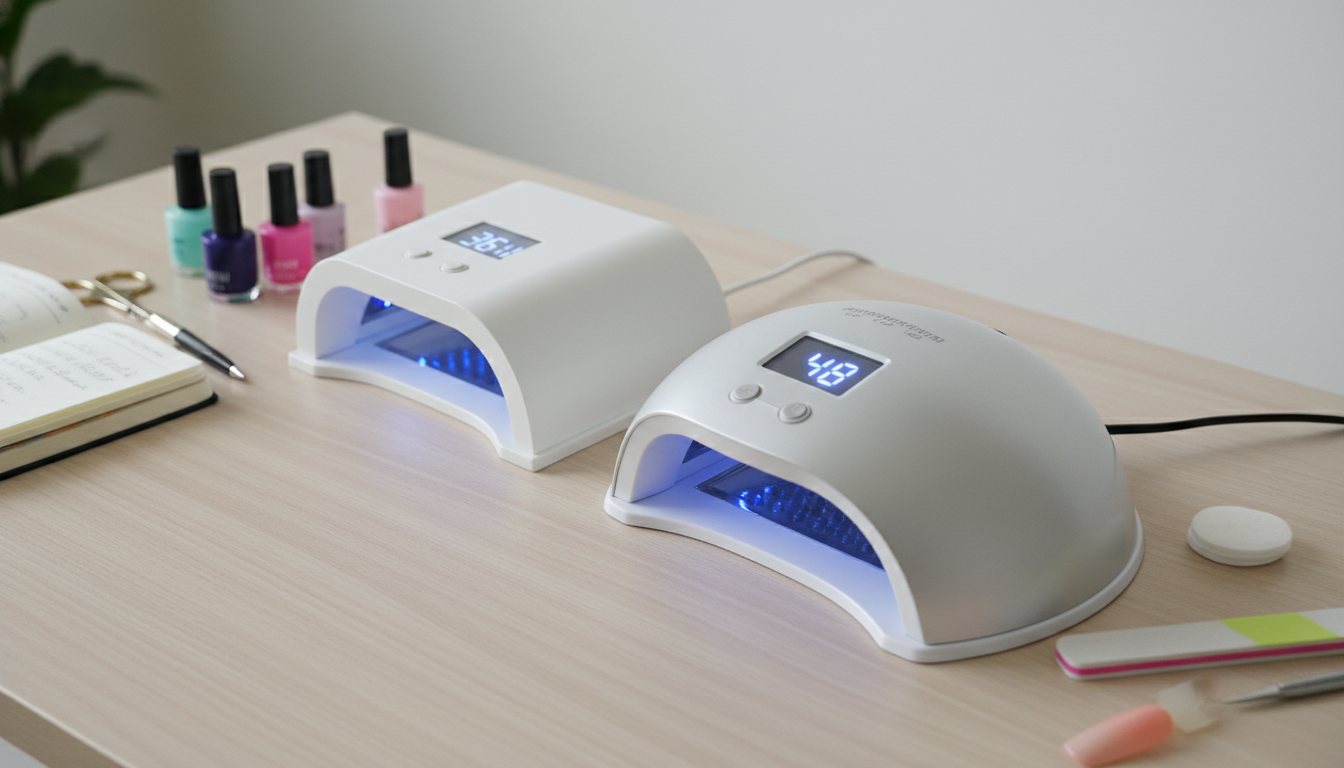
Most gel manicures cure reliably with a lamp in the 36W to 48W range. That wattage window is popular because it balances speed and consistency across common gel polish systems, especially when used with the manufacturer’s recommended cure times.
That said, “watts” isn’t the whole story. Cure performance also depends on the lamp’s light output and wavelength (often listed around 365–405 nm for UV/LED units), the quality and placement of the bulbs/LEDs, and how opaque or pigmented the gel is. A well-designed 36W lamp can outperform a poorly designed higher-watt lamp.
Recommended wattage by typical use
For most home users: Choose 36W–48W for dependable curing of base, color, and top coats. It’s a practical choice when switching between brands or colors.
For thicker builder gels or hard gels: Many people still use 48W, but the key is following the gel brand’s specified lamp type and cure schedule. Thicker products may need longer cure times or specific wavelength output more than extra watts.
For quick salon-style curing: A quality 48W lamp with evenly distributed LEDs helps reduce “dead zones” so thumbs and sidewalls cure more consistently.
Signs your lamp wattage (or lamp type) isn’t sufficient
If gel stays tacky beyond the normal inhibition layer, wrinkles while curing, chips unusually fast, or peels from the free edge, the lamp may not be delivering enough usable light for that gel. Dark or highly pigmented shades can also need longer curing even with the right lamp.
Choosing the right lamp without guesswork
The safest approach is to match the lamp to the gel system’s recommendations. If you’re comparing options or want a deeper walkthrough (including curing times and how UV vs. LED lamps differ), visit the full guide here: How many watts should an UV lamp be to cure gel?
FAQ
Why does my gel polish stay sticky after curing?
A thin sticky layer can be normal (the inhibition layer), but if the gel feels wet, dents easily, or smears, it may be under-cured due to an incompatible lamp wavelength, insufficient light output, or coats applied too thick.









Leave a comment