LED vs Regular Light Fixtures: Key Differences
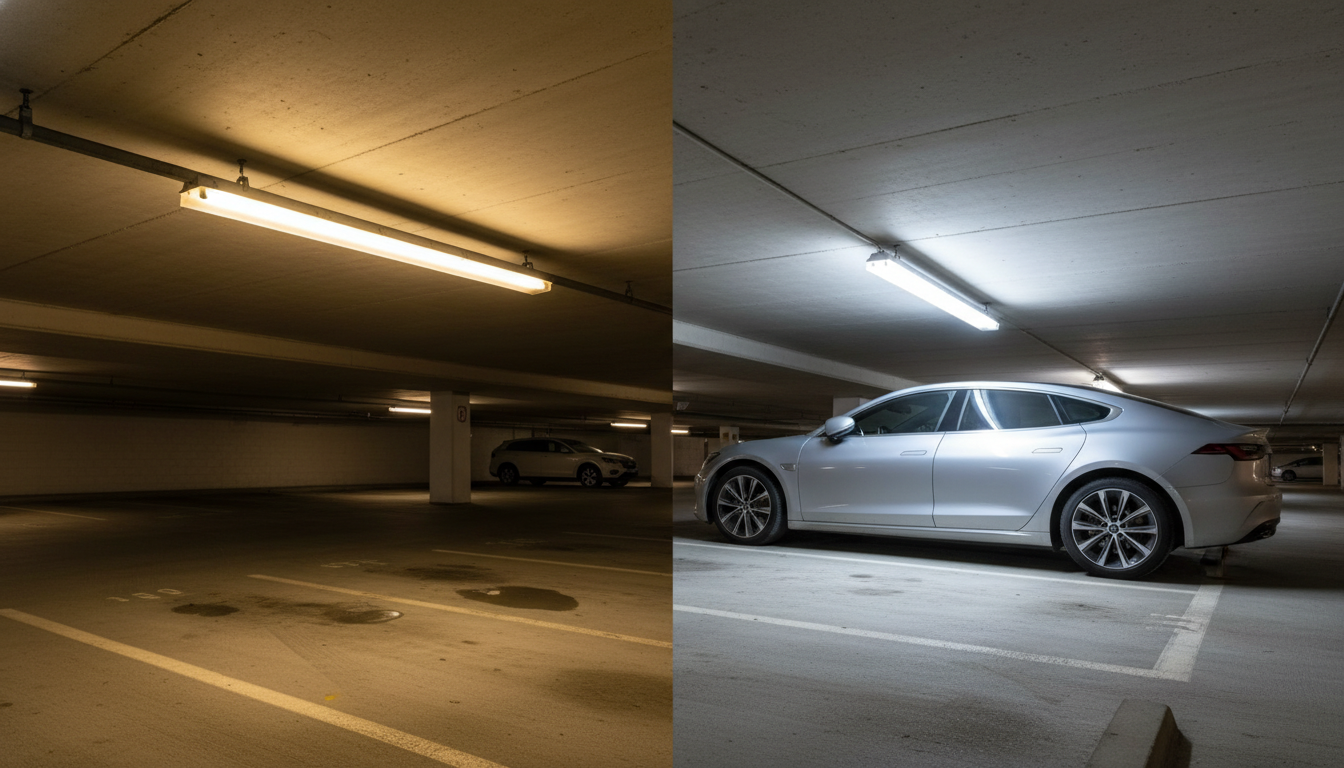
What is the difference between a LED light fixture and a regular light fixture?
The biggest difference is that an LED light fixture is designed around LED technology (often with built-in LEDs and a dedicated driver), while a “regular” light fixture usually refers to older-style fixtures built for replaceable bulbs like incandescent, halogen, or fluorescent. That design difference affects energy use, heat, maintenance, and sometimes the look of the light.
How the light source is built
Many LED fixtures are “integrated,” meaning the LEDs are part of the fixture and aren’t meant to be swapped like a traditional bulb. Regular fixtures typically use standardized sockets (like E26/E27) so you can replace the bulb anytime. Some regular fixtures can still use LED bulbs, but that’s different from a purpose-built LED fixture.
Energy use and operating cost
LED fixtures generally use far less electricity for the same brightness. For example, an LED fixture producing the light of a 60W incandescent may use around 8–12W. Over time, that efficiency can significantly reduce energy bills, especially in kitchens, living rooms, garages, and commercial spaces where lights stay on longer.
Heat output and comfort
Incandescent and halogen bulbs waste a lot of energy as heat, which can make a room warmer and can stress fixture components. LEDs run much cooler, although they still need good heat management (heatsinks) to protect the electronics and maintain long life.
Lifespan and maintenance
LED fixtures typically last much longer than traditional bulb-based setups, often tens of thousands of hours. With a regular fixture, you’ll replace bulbs more often. With an integrated LED fixture, you may not change bulbs, but if the LED board or driver fails, repair or replacement may involve replacing a component or the whole fixture.
Light quality and controls
LED fixtures commonly offer a range of color temperatures (warm to daylight) and can include dimming, selectable CCT switches, motion sensors, or smart controls. Regular fixtures can also be dimmable, but compatibility depends on the bulb type and dimmer. Mismatched dimmers and LEDs can cause flicker or limited dimming range.
For a deeper breakdown and shopping guidance, see the main guide: What is the difference between a LED light fixture and a regular light fixture?
FAQ
Can you put an LED bulb in a regular light fixture?
Usually yes, as long as the base type matches and the fixture is rated for the bulb. If the fixture is enclosed or on a dimmer, choose an LED bulb specifically rated for enclosed fixtures and/or dimming to avoid overheating or flicker.











Leave a comment