Natural Clothes Dyeing at Home: Easy Plant-Based Steps
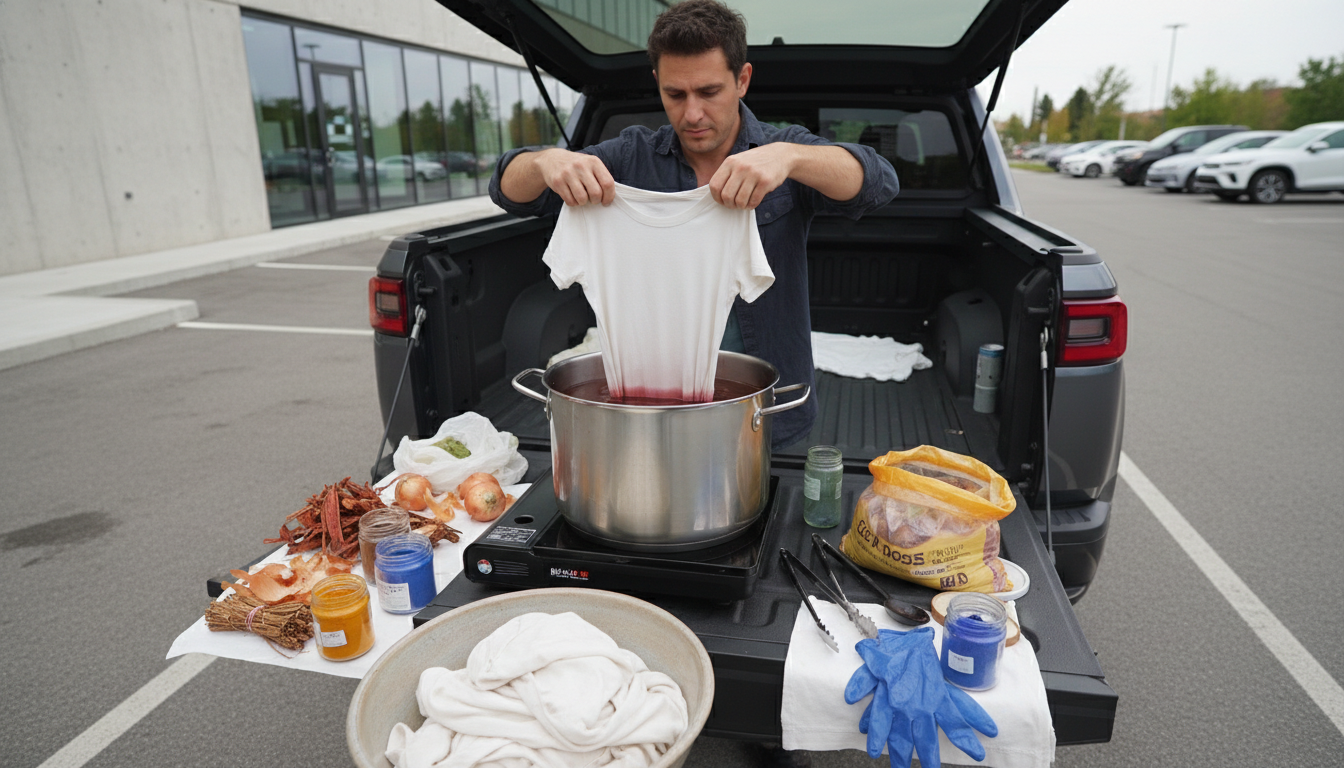
How to dye clothes at home naturally
Natural dyeing is a simple way to refresh faded pieces or change a garment’s color using plant-based materials you can often find in your kitchen. The basics stay the same no matter the shade: start with clean fabric, prep it so the dye can hold, simmer a dye bath, and then heat-set and rinse until the water runs mostly clear.
What fabrics work best for natural dyes?
Natural dyes bond most easily to natural fibers like cotton, linen, silk, and wool. Synthetics (polyester, acrylic) typically resist natural color and may end up with very light, uneven results. Check the care tag and, if possible, test on a small hidden area first.
Step-by-step: natural dyeing at home
1) Pre-wash. Wash the item without fabric softener to remove oils and finishes that block dye.
2) Mordant (optional but helpful). For cotton/linen, soaking in a simple salt or vinegar solution can improve color hold (salt often for berries; vinegar often for other plant dyes). For protein fibers like wool/silk, gentler prep is important—avoid harsh agitation and sudden temperature changes.
3) Make a dye bath. Simmer your dye material in water to extract color, then strain out solids. Examples: onion skins (golden/amber), avocado pits/skins (soft pink), black tea (tan/brown), turmeric (bright yellow), red cabbage (purple/blue tones that shift with acidity).
4) Dye the fabric. Add damp fabric to the warm dye bath. Keep it at a low simmer and stir occasionally for even coverage. Deeper shades usually come from longer soak times and higher dye concentration.
5) Rinse and dry. Let the fabric cool in the dye for richer color, then rinse in cool water until it runs mostly clear. Air-dry away from direct sun to reduce fading.
How to get more even, longer-lasting color
Use enough water so the fabric can move freely, keep the temperature steady, and stir gently. Natural dyes tend to soften over time; washing in cold water with mild detergent and line-drying helps preserve color.
For dye material ideas, fabric-specific prep tips, and shade expectations, follow the full guide here: How to dye clothes at home naturally.
FAQ
How do you set natural dye so it doesn’t wash out?
Rinse thoroughly, then wash gently in cold water and air-dry. Using an appropriate mordant or pre-soak for your dye source and fabric type usually improves washfastness the most.











Leave a comment