Natural Wood Costs Explained: Growth, Yield & Kiln Drying
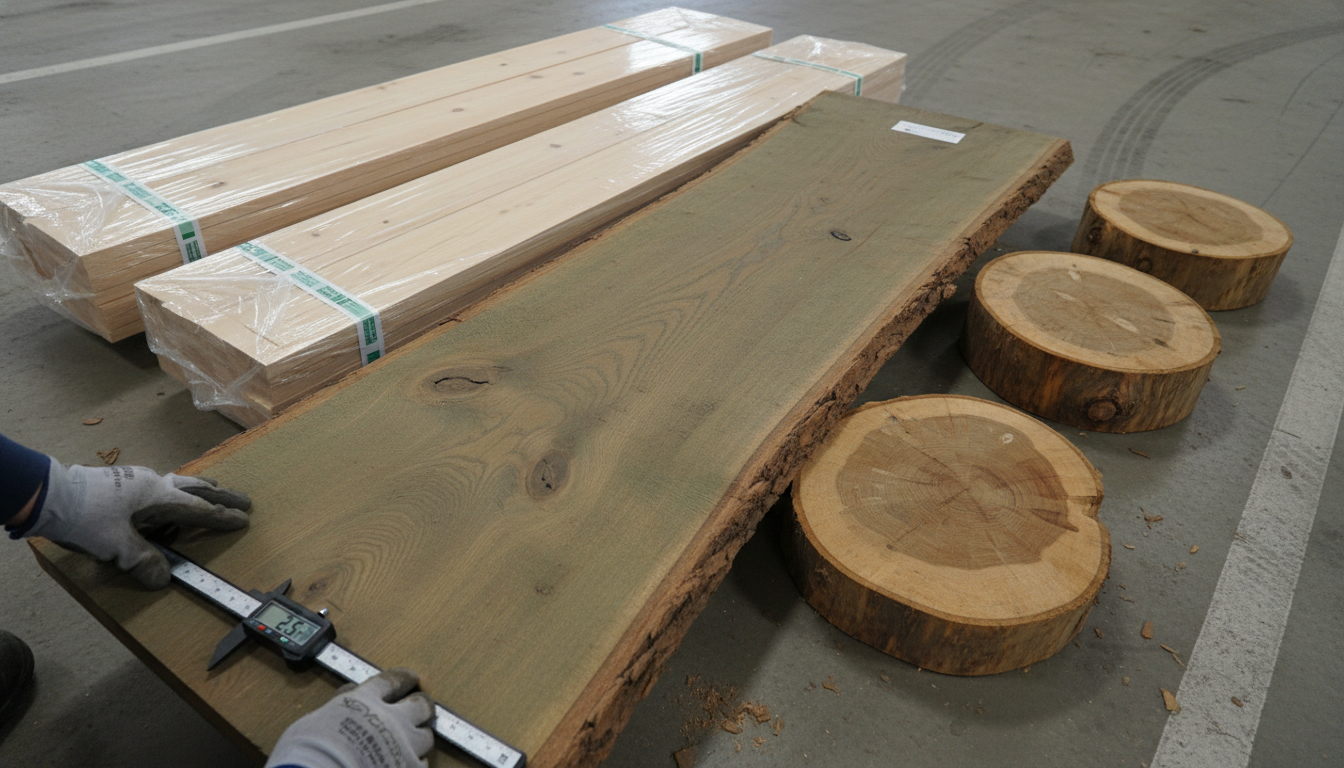
Why Is Natural Wood So Expensive?
Natural wood often costs more than people expect because you’re paying for a material that’s slow to grow, costly to harvest responsibly, and expensive to process into stable, usable boards. Price isn’t just about the tree itself—it reflects supply limits, labor, waste, transportation, and the extra steps needed to make wood durable and attractive for furniture, flooring, cabinetry, and home projects.
What Drives the Price of Natural Wood?
It Takes Decades to Grow Quality Lumber
Many desirable hardwoods—like walnut, oak, maple, and cherry—need years (often decades) to reach sizes that yield clear, wide boards. That long timeline limits how quickly supply can respond when demand rises, so prices can climb and stay elevated.
Harvesting and Compliance Add Real Costs
Logging isn’t simply “cut and ship.” Land management plans, permits, safety requirements, replanting, and conservation practices all add overhead. In regions with stricter rules or protected forests, fewer logs reach the market, and the wood that does is pricier.
Processing Creates Waste—and You Pay for the Yield
Turning logs into boards involves milling, trimming defects, grading, and often kiln-drying. Knots, cracks, insect damage, and irregular grain reduce the portion of a log that becomes premium lumber. When only a fraction qualifies as select-grade, the usable boards carry the cost of the leftover waste.
Kiln-Drying, Storage, and Stability Matter
Properly dried wood is less likely to warp, split, or cup. Kiln time, energy, and careful storage are expensive, especially for thicker slabs and wide planks. Those stability steps are a major reason cheap “green” wood can’t be compared directly to furniture-grade stock.
Species, Grain, and Appearance Premiums
Figure, color consistency, wide widths, long lengths, and clear grain are all limited by nature. A single project may require boards that match closely, which pushes buyers toward higher grades and higher prices.
Learn More
For a deeper breakdown of materials, grades, and what affects lumber pricing, visit the main guide: https://reliablepickspulse.shop/why-is-natural-wood-so-expensive/.
FAQ
Is engineered wood cheaper than solid wood?
Often, yes. Engineered products like plywood and MDF use wood fibers or veneers more efficiently, which can lower cost while improving consistency—though durability and appearance depend heavily on the specific product and finish.












Leave a comment