Mindfulness for Teachers: Simple Daily Classroom Resets
What is mindfulness for teachers?
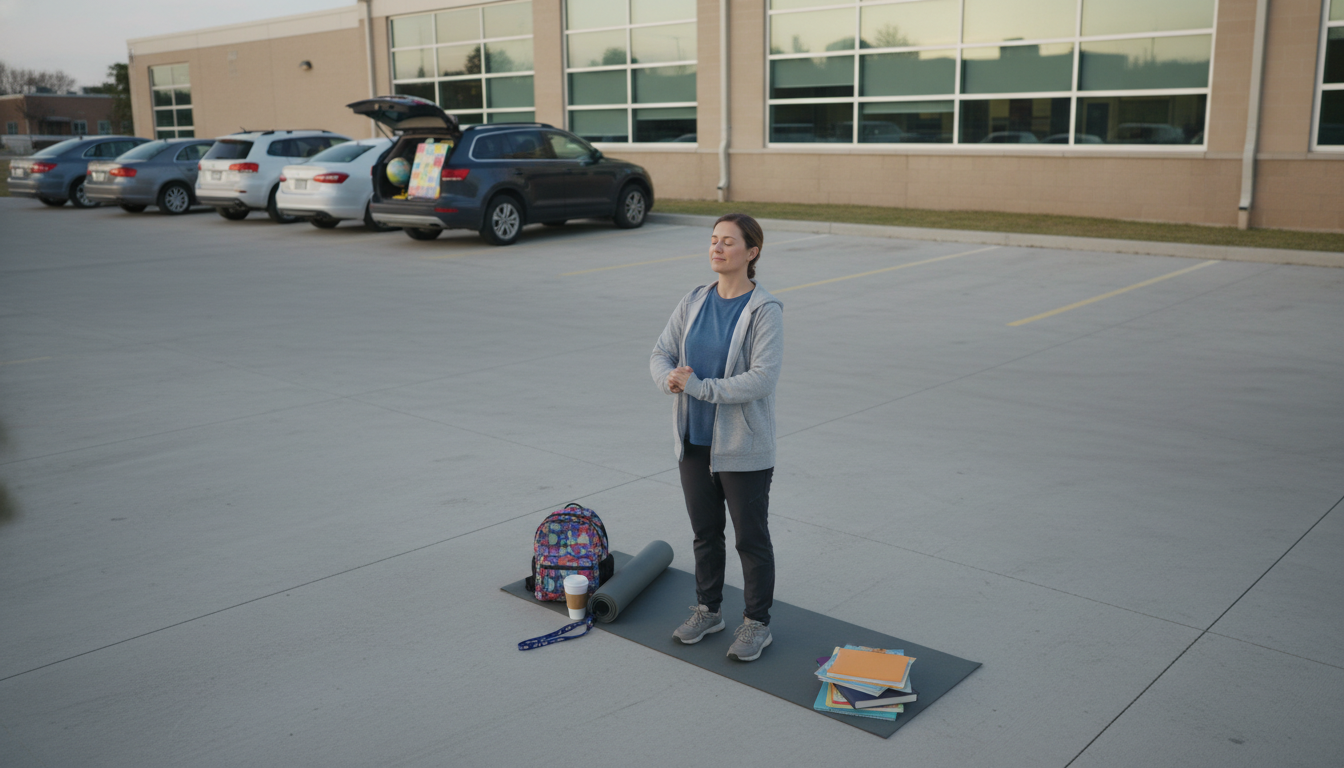
Mindfulness for teachers is the practice of intentionally paying attention to the present moment—thoughts, emotions, and physical sensations—without judgment, so you can respond to classroom demands with more clarity and steadiness. It’s less about “being calm all the time” and more about noticing what’s happening as it happens, then choosing the next best action instead of running on autopilot.
In a school day packed with transitions, student needs, meetings, and unexpected disruptions, mindfulness becomes a practical skill: taking a breath before answering a challenging comment, recognizing early signs of stress, or resetting after a difficult interaction. Over time, it can support emotional regulation, patience, and more intentional communication with students and colleagues.
How mindfulness shows up in a teacher’s day
Mindfulness doesn’t require long meditation sessions to be useful. Many teachers apply it in short, repeatable moments, such as:
- Arriving: Pausing at the classroom door to notice your breath and set a simple intention for the period.
- During instruction: Checking in with your body—shoulders, jaw, breath—while teaching to catch tension early.
- Behavior support: Noticing your own rising frustration, then responding with a calm, consistent boundary.
- Transitions: Using a 10-second reset between classes to reduce carryover stress.
- After school: Brief reflection to mentally “close the loop” before going home.
Why it matters for classrooms
When teachers practice mindfulness, students often benefit indirectly. A regulated adult can model steadier tone, clearer expectations, and more respectful conflict responses. Mindfulness also helps teachers notice what students may be communicating beneath behaviors—fatigue, anxiety, confusion—so support can be more targeted and less reactive.
Learn more
For a deeper look at how mindfulness can fit into real classroom routines, visit What is mindfulness for teachers?.
FAQ
How can teachers practice mindfulness in the classroom?
Start with micro-practices: one slow breath before speaking, a quick body scan while students work, or a 30-second pause after a disruption. Consistency matters more than length, so choose a moment you can repeat daily.











Leave a comment