Spot Fake Luxury Vintage: Materials, Codes & Provenance
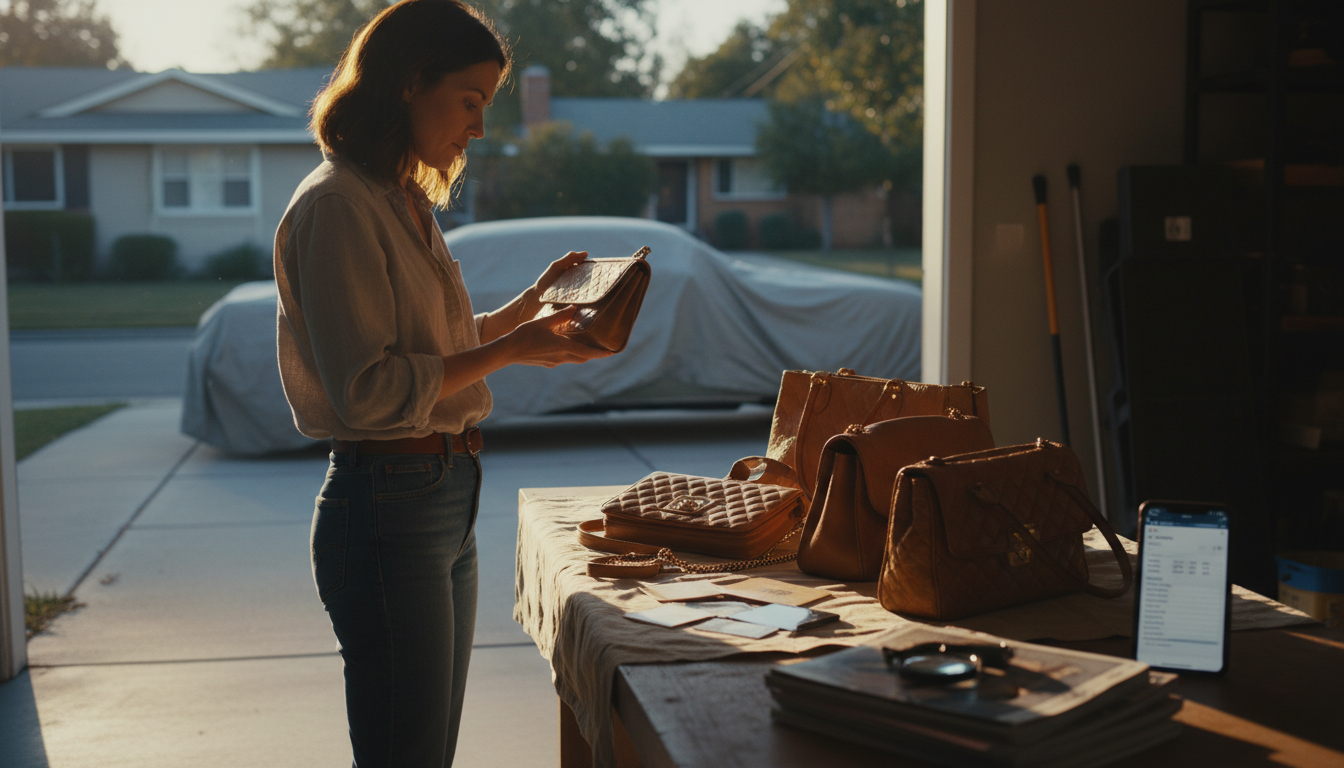
How to spot fake luxury vintage?
Spotting fake luxury vintage comes down to slowing down and verifying details that counterfeiters often miss: materials, craftsmanship, branding specifics for that era, and proof of provenance. Start with a thorough visual inspection, then confirm the item’s story and compare it to known authentic references.
1) Check materials and construction first
Authentic vintage luxury pieces typically use high-grade leather, sturdy hardware, and consistent stitching. Look for uneven stitch length, loose threads, glue residue, peeling plating, or hardware that feels unusually light. Zippers should run smoothly and match the quality level of the brand; cheap-feeling pulls and snagging tracks are common red flags.
2) Verify logo, typography, and brand codes for the correct era
Counterfeits often get fonts, spacing, or logo alignment slightly wrong. Compare the stamp or logo to verified examples from the same decade—brands frequently changed typefaces, heat-stamp depth, and interior label layouts over time. If the item includes a serial number, date code, or authenticity card, confirm the format matches the brand’s historical coding system rather than assuming any code equals “real.”
3) Inspect hardware engravings and interior details
Luxury hardware engraving is usually crisp and clean, not shallow or blurry. Check that screws are consistent, that engraving placement looks intentional, and that interior linings feel durable (not thin or overly shiny). Interior pockets should be symmetrical and functional; sloppy pocket edges or misaligned seams often indicate a replica.
4) Evaluate condition versus age
Vintage items should show believable wear: softened corners, gentle patina, and lining wear in high-contact areas. Be cautious of “vintage” pieces that look unnaturally new but lack protective stickers or documentation, or items with artificial distressing that appears uniform and staged.
5) Demand provenance and buying safeguards
Ask for clear photos of all stamps, serial/date codes, hardware close-ups, and any receipts or repair records. Buy from sellers with transparent return policies and strong reputations. For a deeper checklist and brand-specific tips, visit this guide on spotting fake luxury vintage.
FAQ
What should you ask a seller before buying vintage designer online?
Request close-up photos of stamps, serial/date codes, hardware engravings, and stitching, plus any receipts or repair paperwork. Confirm the return policy in writing and ask whether the seller offers third-party authentication or will allow it during the return window.











Leave a comment