Montessori Toy Storage: Simple Shelves, Less Clutter
What is the Montessori approach to toy storage?
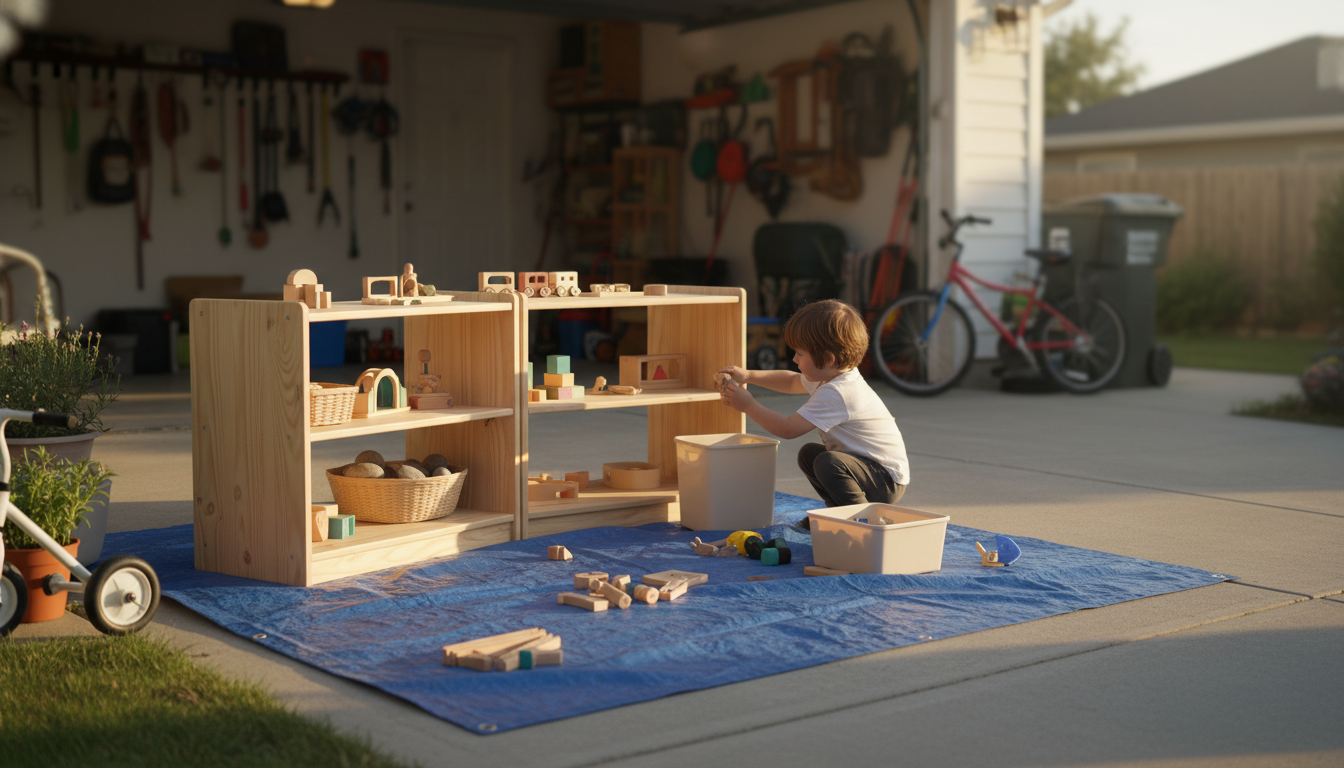
The Montessori approach to toy storage is a simple, child-centered way of organizing play materials so kids can see what’s available, choose independently, and put items back without adult help. Instead of big toy chests or overflowing bins, it emphasizes low, open shelving; a limited number of toys on display; and clear “homes” for each item.
How does Montessori toy storage work in everyday life?
Montessori-style storage starts with accessibility. Shelves are placed at a child’s height, and toys are arranged so each activity is easy to spot and easy to reach. Categories stay consistent—puzzles with puzzles, blocks with blocks—so kids don’t have to guess where things belong.
Another core idea is “less on the shelf, more focus in play.” Only a small selection is available at one time, which reduces overwhelm and supports longer, more engaged play. Extra toys are stored out of sight and rotated in later, keeping the environment fresh without adding clutter.
What does a Montessori toy shelf look like?
A Montessori toy shelf is typically a short, open unit with a few rows. Each toy or activity has its own space—often a tray, basket, or shallow bin—so it can be carried to a play area and returned easily. Items are arranged neatly, with heavier materials on lower shelves and more delicate items placed where they’re less likely to get knocked over.
Why is toy rotation part of the Montessori approach?
Toy rotation helps maintain order while supporting a child’s changing interests. When too many toys are available, kids may jump from one thing to another without settling in. Rotating toys (weekly, biweekly, or monthly) keeps choices manageable and helps children rediscover items with renewed attention.
How to start Montessori toy storage at home
Begin by choosing a small area and adding a low shelf or two accessible bins. Select a handful of toys that encourage open-ended play or skill-building, and store the rest in a closet. Then label or visually define where each item goes so cleanup is as clear as playtime.
For a deeper, room-by-room walkthrough, visit the full guide on the Montessori approach to toy storage.
FAQ
How many toys should be on a Montessori shelf?
A common starting point is 6–12 activities, depending on your shelf size and your child’s age. The goal is a calm, uncluttered display where each item has its own space.









Leave a comment