Eco-Friendly Activity Examples for Kids, Families & Schools

What are examples of eco-friendly activities?
Eco-friendly activities are everyday actions that reduce waste, save energy and water, and support healthier ecosystems. They can be as simple as reusing materials at home or as hands-on as growing plants and caring for local wildlife. Here are practical examples that work for kids, families, classrooms, and community groups.
1) Upcycling and reuse projects
Turn “trash” into useful items: make pencil holders from cans, bird feeders from cartons, or storage bins from sturdy boxes. Repairing toys, swapping clothes, and donating usable items instead of tossing them are eco-friendly choices that keep materials in use longer.
2) Recycling and sorting games
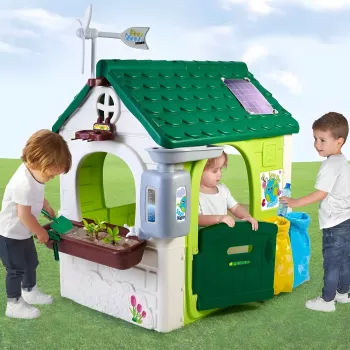
Make a mini “recycling station” with labeled bins for paper, plastics, metal, and glass (based on local rules). A quick sorting challenge—timed or team-based—helps build the habit of checking what can be recycled and what must be composted or trashed.
3) Gardening and planting
Planting herbs, vegetables, or native flowers supports pollinators and can reduce the footprint of transporting food. Try container gardens, a windowsill herb tray, or a small backyard plot. Using compost instead of synthetic fertilizers is another eco-friendly step.
4) Composting food scraps
Composting fruit and vegetable peels, coffee grounds, and eggshells can cut household waste while creating nutrient-rich soil. If outdoor composting isn’t possible, a countertop bin or community compost drop-off can still make a meaningful difference.
5) Nature-friendly outdoor play
Choose low-impact activities like hiking, scavenger hunts using natural items (without picking living plants), and “leave no trace” picnics. Bringing a small bag to pick up litter on a walk is a simple way to protect local parks and waterways.
6) Saving energy and water at home
Examples include turning off lights when leaving a room, unplugging unused chargers, taking shorter showers, and using a bucket to collect water while waiting for it to warm up for plants. Small habits add up quickly when everyone participates.
For kid-friendly ideas that combine recycling, gardening, and imaginative play, visit this guide to eco playhouse recycling and gardening activities.
FAQ
How can kids practice eco-friendly habits at home?
Kids can sort recycling, help start a small compost bin, water plants with collected rainwater, and reuse craft materials for new projects. Consistent routines—like a nightly “lights off” check—make the habits stick.








Leave a comment