BPA-Free Plastic Blender Safety: Heat, Wear, and Tips

Are BPA free plastic blenders safe?
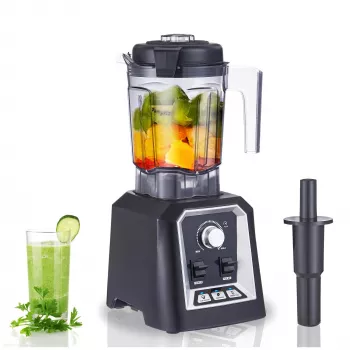
BPA-free plastic blenders are generally considered safe for everyday use when they’re made from food-grade materials and used within the manufacturer’s temperature and care guidelines. “BPA-free” means the plastic is made without bisphenol A, a chemical many shoppers prefer to avoid due to potential hormone-related concerns. For most households, the bigger safety factors are heat, wear, and how the jar is cleaned and handled over time.
What “BPA-free” does (and doesn’t) guarantee
BPA-free labeling indicates the jar doesn’t contain bisphenol A, but it doesn’t automatically mean the plastic is completely risk-free under all conditions. Plastics can vary by resin type, additives, and quality controls. Some BPA-free plastics may still contain other bisphenols or compounds that can migrate in small amounts, especially under high heat or harsh cleaning cycles.
When plastic blender jars are most likely to be a problem
Heat is the main trigger for increased chemical migration in many plastics. Blending very hot soups, boiling liquids, or running long “heat” cycles can raise jar temperatures and stress the material. Visible wear also matters: deep scratches, cloudiness, warping, or cracks can trap residue and may indicate the jar is degrading. Dishwashers—especially high-heat sanitize settings—can accelerate that wear on some plastics.
Safer habits if you prefer plastic
Let hot foods cool a bit before blending, and avoid pouring near-boiling liquids directly into a plastic jar unless the manufacturer explicitly says it’s designed for that. Use non-abrasive sponges, skip harsh scouring powders, and replace the jar if it becomes heavily scratched or damaged. If odor or staining persists, it’s often a sign the surface has become more porous from wear.
Plastic vs. glass vs. stainless steel
If high-heat blending is frequent, glass or stainless steel containers can offer peace of mind and better heat tolerance. Plastic jars, however, are lighter, less breakable, and often quieter—useful benefits when handled carefully.
For a deeper breakdown of materials, temperature limits, and practical buying tips, visit the full guide on BPA-free plastic blender safety.
FAQ
Is Tritan plastic safe for blenders?
Tritan is commonly used for BPA-free blender jars and is generally considered food-safe, but it should still be treated like any plastic: avoid extreme heat, follow the maker’s care instructions, and replace the jar if it becomes scratched or warped.








Leave a comment