Good UV Lamp Wattage: Nails, Resin & UV-C Use
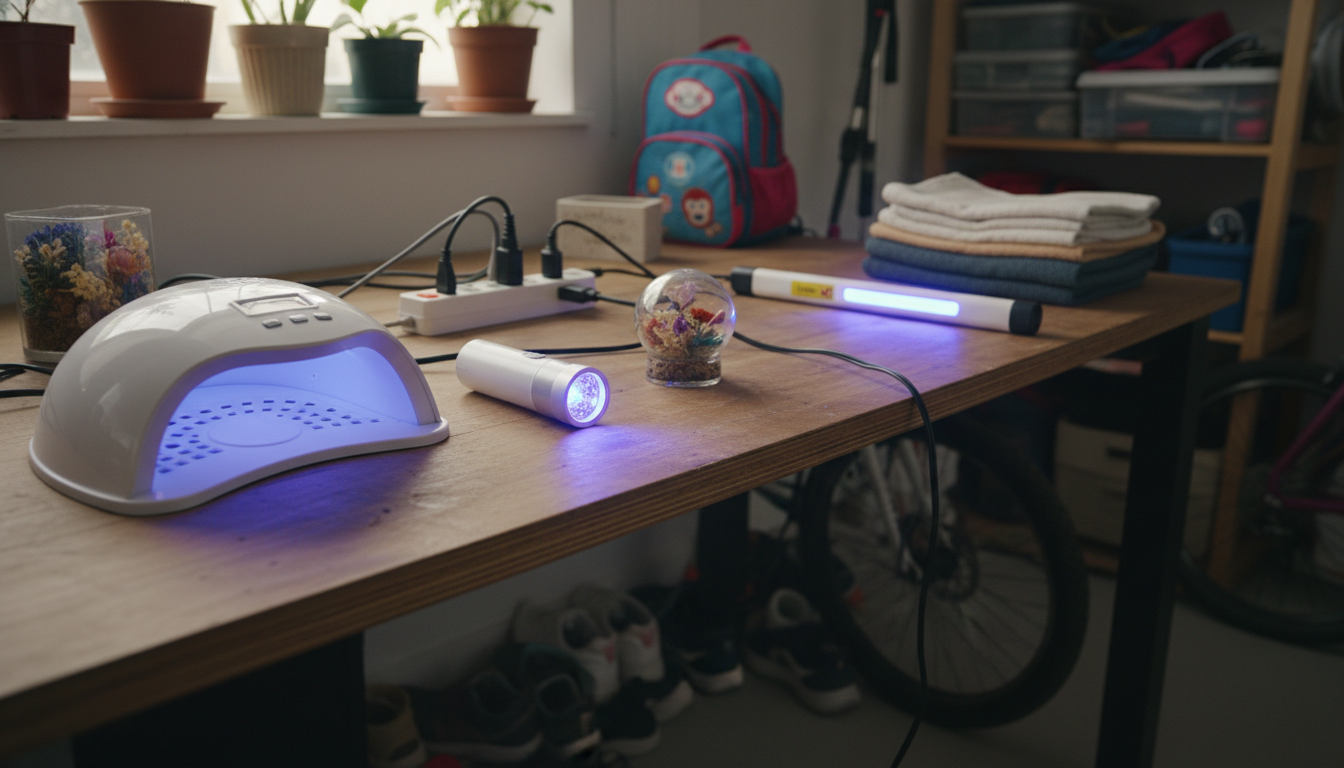
How many watts is good for an UV lamp?
A “good” wattage for a UV lamp depends on what you’re using it for, the distance to the surface, and the type of UV technology (UV-A/UV-B/UV-C, LED vs. fluorescent/mercury). For many everyday uses, the goal isn’t the highest watt number—it’s matching wattage to the job so you get reliable results without unnecessary heat, exposure risk, or wasted power.
For UV nail curing
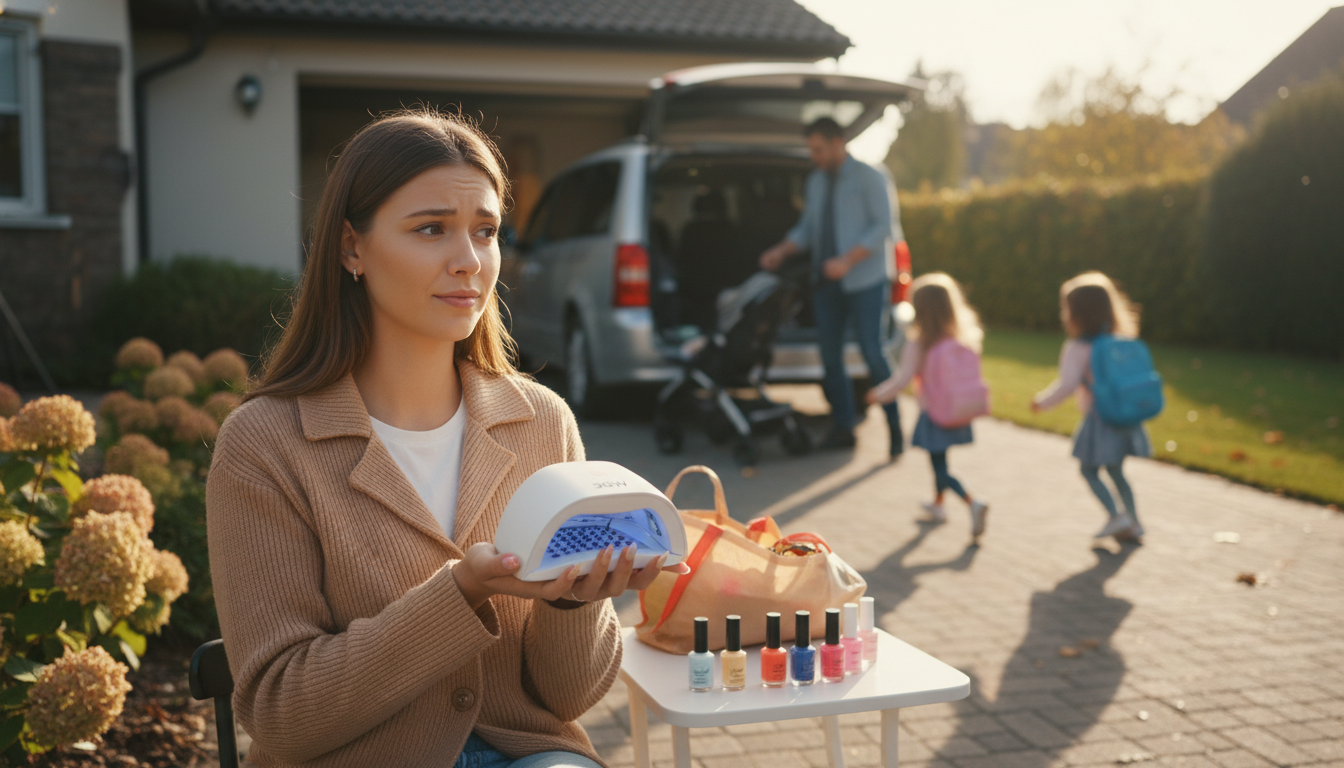
For gel nails, many at-home and salon lamps commonly fall in the 36W to 48W range. This range tends to cure most gel systems efficiently when used as directed by the polish brand. Higher-watt units (often 60W+ in some designs) may speed curing for certain products, but correct timing and compatibility matter more than chasing maximum watts.
For UV resin and crafts
Small UV lamps used for resin curing are often lower wattage because the working area is smaller and the resin layer is typically thin. Many users do well with compact lamps roughly in the 6W to 36W range, depending on resin type and how close the light is to the piece. If cures are tacky or uneven, distance, wavelength match, and exposure time are common culprits—not just wattage.
For UV-C sanitizing/disinfection
UV-C is more sensitive to dose (intensity over time) and safety than simple “watts.” Disinfection setups often use higher-power bulbs and controlled enclosures to ensure the right exposure while limiting direct human/eye exposure. If you’re shopping for UV-C, prioritize verified specs (wavelength around 254 nm for traditional bulbs or 260–280 nm for UV-C LEDs), measured irradiance, and proper shielding rather than relying on watts alone.
What to look for besides watts
Wattage is only one piece. Also check wavelength, bulb/LED quality, curing area coverage, timer settings, and manufacturer guidance for distance and exposure time. For a deeper breakdown by use case, see the full guide here: https://reliablepickspulse.shop/how-many-watts-is-good-for-an-uv-lamp/.
FAQ
What wavelength is best for curing gel nails?
Most gel nail products cure best under UV-A, typically around 365–405 nm. If a lamp’s LEDs don’t match your gel’s needed range, curing can be slow, incomplete, or inconsistent even with higher wattage.








Leave a comment